Introduction
Old slides and negatives hold something priceless — personal history. Family vacations from the 70s, childhood photos shot on film cameras, grandparents in their youth, graduations captured before smartphones existed. These memories are fading, and every year, prints and film deteriorate.
That’s where Best Slide to Digital Image Converters step in.
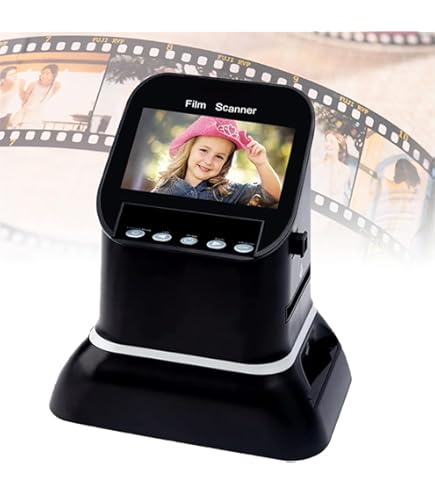
These powerful little machines scan:
- 35mm film
- Slides
- Negatives
- Vintage camera reels
- Old photo prints
…and convert them into digital files you can store, edit, print, or share.
In this guide, we break down the Best Slide to Digital Image Converters— from beginner-friendly options to pro-level scanners.
What Are Best Slide to Digital Image Converters
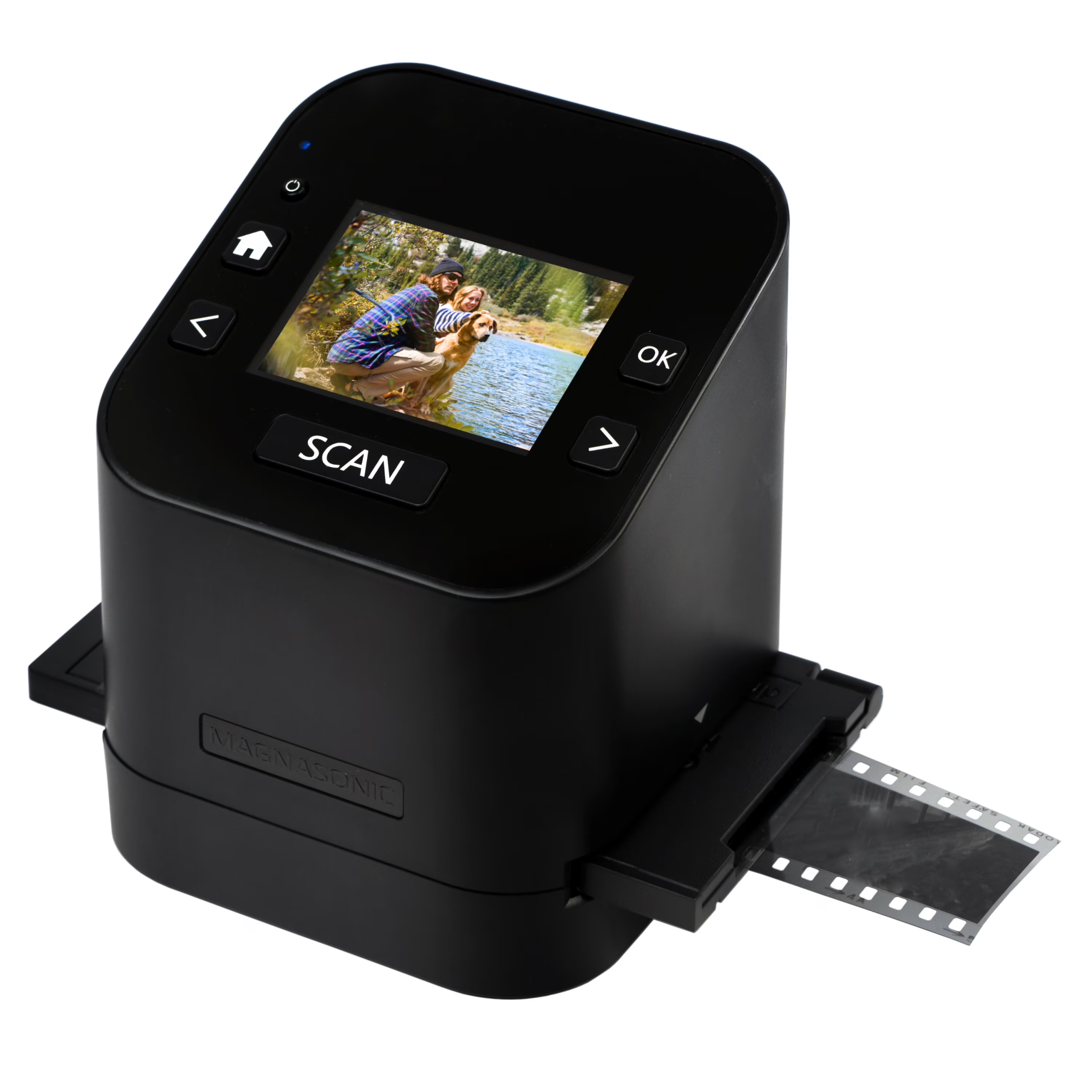
A slide to digital converter is a compact device that:
✔️ Scans analog film or slides
✔️ Digitizes them to JPG/PNG/TIFF
✔️ Enhances clarity, brightness & color
✔️ Saves directly to SD card or computer
Think of them like a time machine — but for photos.
Why Digitize Your Old Photos?
| Reason | Benefits |
|---|---|
| Preservation | Prevents fading, cracking & chemical damage |
| Sharing | Share restored photos online instantly |
| Editing | Fix scratches, blur, and discoloration |
| Storage | Organize decades of memories in seconds |
| Backup | Secure copies in cloud, USB, or hard drives |
Film is fragile. Digital files protect your legacy.
Types of Best Slide to Digital Image Converters
1. Standalone Converters
- No PC needed
- Built-in screen for preview
- Best for beginners
2. Flatbed Scanners
- High quality but slow
- Great for prints & documents
3. Film & Negative Scanners
- Designed only for film strips
- Best for large collections
4. Professional Archival Scanners
- Museum / studio grade
- Best for restoration businesses
Key Features to Look For
✔️ 14MP–22MP optical resolution minimum
✔️ Color correction & dust removal tools
✔️ LCD preview screen
✔️ SD card or USB storage
✔️ Fast batch scanning
Avoid scanners with:
❌ No light correction
❌ No film holders
❌ Under 8MP resolution
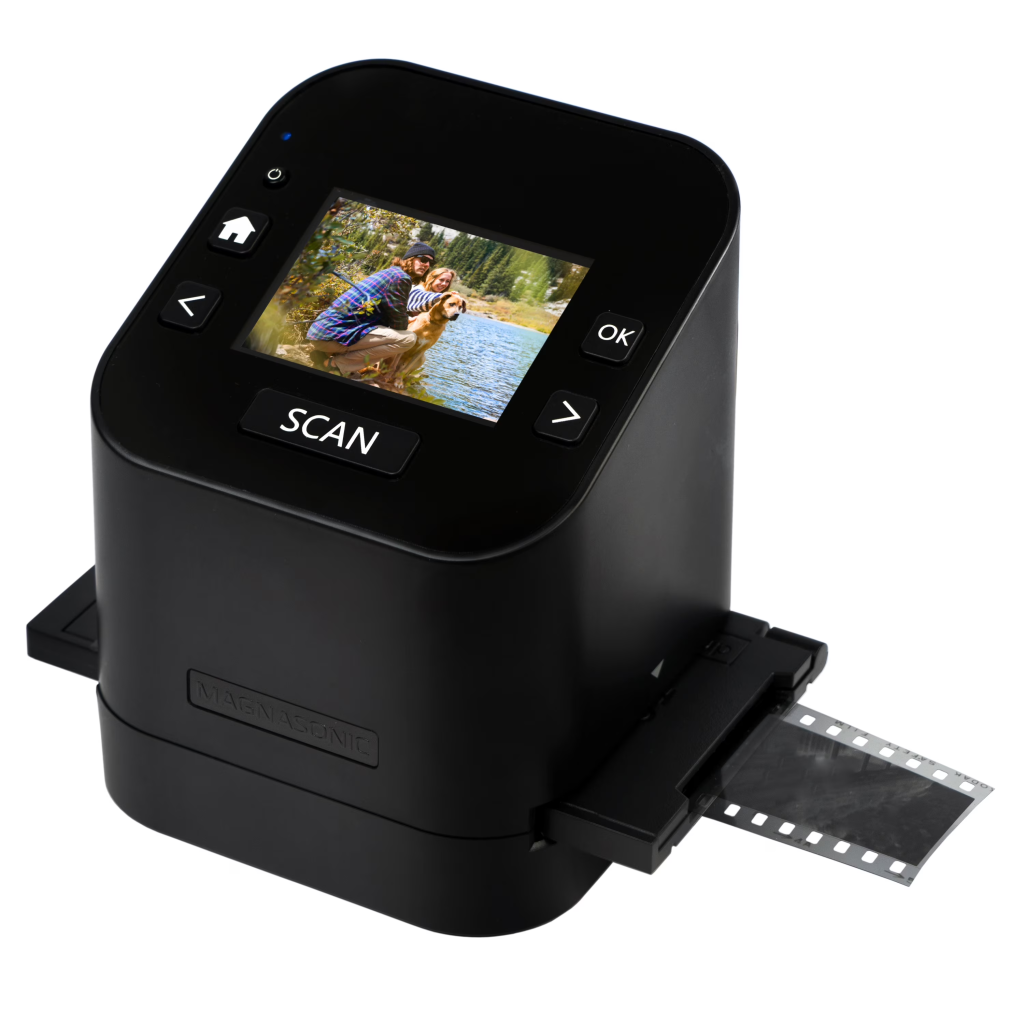
Top Best Slide to Digital Image Converters (2026 Picks)
| Model Type | Best For | Why It’s Recommended |
|---|---|---|
| Kodak Slide N Scan | Everyday users | Easy, reliable, no learning curve |
| Wolverine Titan 8-in-1 | Home archives | Handles multiple film formats |
| Plustek OpticFilm 8200i | Professionals | Incredible color depth & detail |
| Epson Perfection V600 | Photo restoration | Best for prints + film combo |
| DIGITNOW Film Scanner | Budget pick | Affordable & simple to use |
Best Budget Slide to Digital Converters
- DIGITNOW 135 Film Scanner
- Rybozen 35mm Photo Digitizer
- KODAK Mini Digital Scanner
Budget ≠ low quality. These are ideal for:
✔ Students
✔ Casual family archiving
✔ Small slide collections
Best Professional-Grade Scanners
These deliver sharp detail for photographers and restoration work:
- Plustek OpticFilm 8200i – Best color reproduction
- Epson Perfection V850 Pro – Studio archiving level
- Pacific Image PrimeFilm XE – Fast batch scanning
Use cases:
- Studios
- Galleries
- Digital restoration businesses
Best For Beginners
If you want plug-and-play:
- Kodak Slide N Scan
- Wolverine Titan
No drivers, no software issues, no PC required.
Resolution & Image Quality Explained
- 10–14MP = Casual / Family use
- 14–20MP = Good detail, best for enlargements
- 20–40MP = Professional preservation
If you plan to print old photos, aim for 20MP+.
Connectivity & Software
Look for:
✔ USB / USB-C
✔ SD storage
✔ HDMI preview
✔ Built-in editing tools
Avoid models that require outdated CD-ROM software.
How to Digitize Slides Properly (Step-by-Step)
- Clean film gently
- Load into the holder
- Scan at highest resolution
- Save file as PNG or TIFF for editing
- Backup files to cloud + hard drive
Photo Restoration Tips
- Increase contrast for faded film
- Use color balance for vintage slides
- Remove scratches with healing tools
- Sharpen details gently to avoid noise
Top Mistakes to Avoid
❌ Buying low-resolution scanners
❌ Scanning dusty film
❌ Saving only in JPG
❌ No backup strategy
Conclusion
Slide to digital converters are more than gadgets — they’re memory savers. Whether you want to scan a shoebox of old negatives or preserve hundreds of professional film reels, the right scanner makes a difference.
If you want speed, simplicity, and clarity, the models in this guide cover every need, skill level, and budget.
Your memories deserve a second life.
Start digitizing — before time erases them.
More useful product like this:LG WM4000HBA 4.5 Cu. Ft. Smart Front Load Washer – Complete Review
Q1. What resolution is best for scanning slides?
14MP–22MP for home use, 30MP+ for pro jobs.
Q2. Do I need a computer?
Not always — many scanners save to SD cards.
Can I restore colors on faded photos?
Yes, with post-scan software like Lightroom or built-in correction modes.
Q4. How long does scanning take?
From 3 seconds to 1 minute per slide, depending on model.
Q5. Which file format should I save in?
TIFF or PNG for editing, JPG for sharing.