Juicing isn’t just a trend-it’s a lifestyle. Whether you’re chasing a morning boost, trying to sneak in extra veggies, or craving fresh, natural flavors, a high-quality juicer can transform your kitchen experience. But with so many options on the market, how do you choose the perfect one? Don’t worry-we’ve broken it down step by step, so you can find the juicer that suits your needs, budget, and taste buds.
Introduction to the Best Juicers in 2026
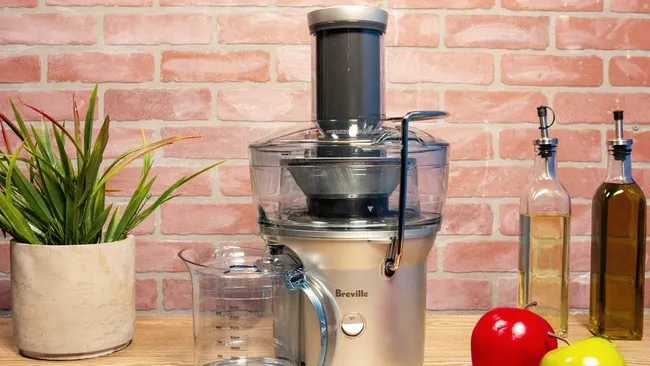
Imagine waking up to a glass of fresh, nutrient-packed juice every morning. That’s the dream of every health enthusiast, right? But to achieve that dream, you need the right juicer. The market is flooded with options, from compact centrifugal models to high-end twin-gear machines. Choosing wisely can save you money, time, and frustration while ensuring every drop counts toward your health.
Why Juicing is a Health Game-Changer
Nutritional Benefits of Fresh Juice
Freshly extracted juice delivers vitamins, minerals, and antioxidants in a highly absorbable form. Unlike store-bought juices, homemade options are free from preservatives, added sugars, and artificial flavors. Think of it as giving your body a nutrient-rich wake-up call.
How Juicing Supports Weight Loss
Juicing can replace high-calorie snacks with low-calorie, nutrient-dense beverages. A fiber-light juice is easy to digest, keeping your metabolism active while curbing cravings. Pair it with a balanced diet, and you’ve got a weight loss ally in your kitchen.
Boosting Energy and Immunity
Juices rich in vitamin C, antioxidants, and electrolytes can enhance energy levels and strengthen your immune system. Green juices with kale, spinach, and celery are particularly effective at detoxifying your body and reducing inflammation.
Types of Juicers: Which One Fits You?
Choosing the right type of juicer depends on your lifestyle, budget, and juice preferences.
Centrifugal Juicers
These are fast, affordable, and great for hard fruits and vegetables. They use high-speed spinning blades to extract juice. Perfect for busy mornings—but they tend to produce slightly less juice and more foam.
Masticating Juicers
Also known as slow juicers, they crush and press produce to maximize nutrient retention. Ideal for leafy greens, wheatgrass, and softer fruits. Slower, but yields richer, smoother juice.
Triturating (Twin Gear) Juicers
Twin-gear juicers provide the ultimate nutrient retention and juice yield. They’re quieter, but expensive and bulkier. If you’re serious about juicing, this is the gold standard.
Citrus Juicers
Specialized for oranges, lemons, and grapefruits. Compact, easy to use, and perfect for daily citrus doses.
Key Features to Look for in a Juicer
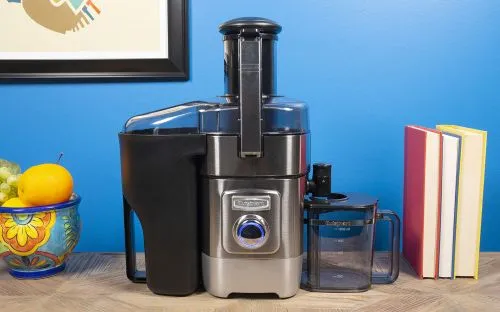
Motor Power and Speed
Higher wattage means better extraction for tough veggies. Look for adjustable speed settings if you want versatility.
Ease of Cleaning
Nobody wants to spend 30 minutes cleaning a juicer. Removable parts and dishwasher-safe components are a lifesaver.
Noise Level
Centrifugal juicers can be loud. Slow juicers are quieter and less disruptive, especially in the mornings.
Durability and Build Quality
Stainless steel parts and sturdy construction ensure your juicer lasts for years without compromising performance.
1. Motor Power (Watts)
What it means:
This tells you how strong the juicer’s motor is.
Simple explanation:
Higher watts = stronger motor = better at handling hard fruits and veggies like carrots, beets, or celery.
Think of it like:
A car engine — bigger engine means better performance.
✅ Example: 800W will juice tougher ingredients more easily than 400W.
2. Speed (RPM – Revolutions Per Minute)
What it means:
How fast the juicer spins.
Two Main Types:
- High speed (1,500‑10,000+ RPM): Found in centrifugal juicers
- Low speed (40‑120 RPM): Found in masticating/twin‑gear juicers
Simple explanation:
Higher speed = faster juice extraction, but can produce more foam and noise.
Lower speed = slower process, but less heat + more nutrients retained.
Analogy:
Compare it to slicing veggies fast vs slow – slow preserves more texture.
3. Juice Yield
What it means:
How much juice you get from the same amount of fruits/vegetables.
Simple explanation:
More yield = less waste and more drinkable juice.
Important because:
Two juicers can cost the same, yet one may give significantly more juice per apple or carrot.
4. Nutrient Retention
What it means:
How many vitamins, enzymes, and nutrients stay in your juice.
Key point:
Slow juicers (masticating & twin gear) preserve more nutrition because they produce less heat and oxidation.
Why it matters:
High heat and air reduce nutrients — so slow is better for health‑focused juicing.
5. Noise Level (Decibels – dB)
What it means:
How loud the juicer is when operating.
Simple explanation:
- Loud: Centrifugal juicers (like a blender)
- Quiet: Slow juicers (masticating & twin gear)
Why it matters:
If you juice early in the morning, quiet might be worth paying extra for.
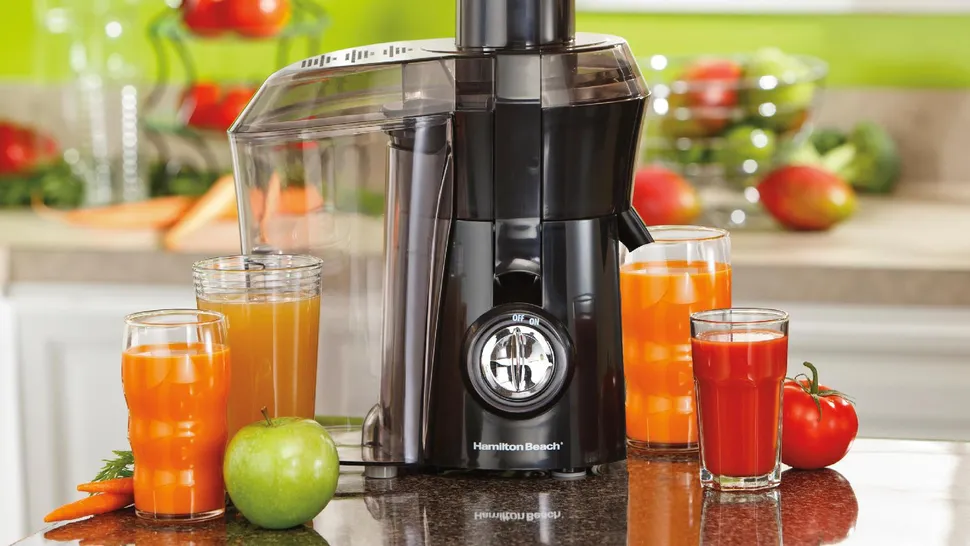
6. Pulp Ejection System
What it means:
How the juicer deals with leftover pulp.
Types:
- External ejection: Pulp comes out a separate chute → easy cleanup
- Internal collection: Collects inside → needs manual removal
Best choice:
External pulp ejection is easier for daily juicing.
7. Cleaning Ease
What it means:
How easy or hard it is to wash the juicer after use.
Simple explanation:
Fewer parts + dishwasher safe = quicker cleanup.
Why it matters:
If it’s hard to clean, you’ll juice less often. Simple as that.
8. Build Quality (Materials Used)
What it means:
What the juicer is made of – plastic or stainless steel.
Good vs Better:
- ABS plastic: Lightweight, budget‑friendly
- Stainless steel: Strong, long‑lasting
Advice:
Stainless steel parts last longer and resist wear & tear.
9. Warranty
What it means:
How long the manufacturer promises to support or fix the juicer.
What to look for:
- Longer warranties (5‑15 years) = more confidence from the brand
- Short warranties (~1 year) = cheaper but less protection
10. Feed Chute Size
What it means:
The opening where you insert fruits/veggies.
Larger chute = less prep:
If you can insert apples whole → less cutting = faster juicing.
Smaller chute = more prep:
You may need to chop produce into smaller pieces.
11. Extraction Method
What it means:
The juicing technique used:
💥 Centrifugal: Spins fast with blades
✔ Quick, cheap, more foam
🐢 Masticating: Slow grinding
✔ Better nutrients, quieter
⚙ Twin Gear (Triturating): Two gears crush produce
✔ Best juice quality, best yield, highest price
12. Type of Juicer
Four Common Types:
- Centrifugal Juicer
- Fast & affordable
- Best for beginners
- Great for hard produce
- Masticating Juicer
- Slow & efficient
- Best for leafy greens
- Higher nutrient retention
- Twin Gear Juicer
- Top performance
- Highest yield + nutrition
- Best for serious juicers
- Citrus Juicer
- Best for oranges, lemons & limes
- Compact + easy
13. Foam Reduction Technology
What it means:
Some juicers handle foam better than others.
Why it matters:
Less foam = clearer juice and less waste.
14. Safety Features
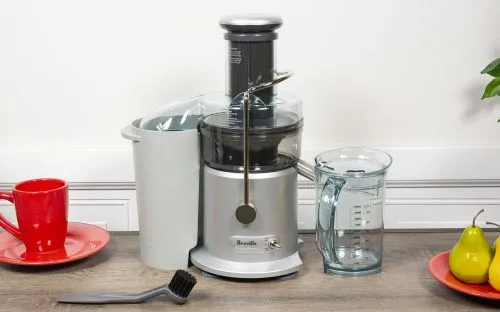
What it means:
Automatic sensors that prevent damage or injury.
Examples:
✔ Anti‑overheat protection
✔ Locking arm safety
✔ Non‑slip feet
Great safety features = safer for kids & less maintenance issues.
15. Price Range
What it means:
How much the juicer costs.
Typical Categories:
- Budget: $50 – $150
- Mid‑Range: $150 – $400
- Premium: $400 – $800+
Note:
Higher price doesn’t always mean better – look at features instead of just cost.
Summary: What Matters Most When Choosing a Juicer
| Specification | What It Means | Why It Matters Most |
|---|---|---|
| Motor Power | Strength of machine | Handles tough produce |
| Speed | How quickly it juicers | Affects nutrient retention |
| Juice Yield | Amount of juice you get | Determines value |
| Noise Level | Loud or quiet | Comfort & convenience |
| Ease of Cleaning | Time needed to clean | Daily usability |
| Build Quality | Materials used | Longevity & durability |
| Warranty | Protection period | Peace of mind |
| Feed Chute | How big the opening is | Prep time saved |
Top Juicers in 2026: Reviews and Comparisons
Breville Juice Fountain Plus
Fast, reliable, and easy to use. Great for beginners who want efficiency without breaking the bank.
Omega J8006 Nutrition Center
Versatile and durable. Ideal for leafy greens and nut milks.
Hurom H-AA Slow Juicer
Sleek design, quiet operation, and excellent juice yield. Perfect for small kitchens.
Kuvings Whole Slow Juicer
Handles whole fruits and vegetables, reducing prep time. High juice yield with minimal foam.
Tribest Greenstar Elite
Twin-gear powerhouse. Excellent nutrient retention, but pricey and large.
Price Comparison Table of Best Juicers
| Juicer Model | Type | Price Range | Key Feature |
|---|---|---|---|
| Breville Juice Fountain Plus | Centrifugal | $150-$200 | Fast, beginner-friendly |
| Omega J8006 Nutrition Center | Masticating | $300-$350 | Leafy greens, versatile |
| Hurom H-AA Slow Juicer | Masticating | $450-$500 | Quiet, compact |
| Kuvings Whole Slow Juicer | Masticating | $400-$550 | Whole fruits, easy prep |
| Tribest Greenstar Elite | Twin Gear | $700-$800 | Maximum nutrients, durable |
How to Maximize Juice Yield from Your Fruits and Veggies
Preparing Produce for Juicing
Wash thoroughly, remove stems and seeds, and cut into manageable pieces. Soft fruits may require peeling, while hard veggies like carrots can be chopped.
Combining Ingredients for Best Taste and Nutrition
Balance flavors-think sweet fruits with leafy greens. A handful of apples with spinach or carrots with ginger adds both taste and nutrition.
Common Juicing Mistakes and How to Avoid Them
- Using too much fruit: Leads to high sugar content.
- Skipping fiber completely: Juice without some pulp can spike blood sugar.
- Ignoring cleaning: Residue buildup can harbor bacteria.
Tips for Easy Cleaning and Maintenance
- Rinse immediately after use.
- Use a small brush to reach tight spots.
- Regularly check and sharpen blades if applicable.
Juicing for Specific Goals
Weight Loss
Opt for green juices with celery, cucumber, and a touch of fruit for sweetness. Lower sugar, higher fiber blends keep you full.
Detoxification
Add detoxifying ingredients like ginger, lemon, and turmeric. These help flush toxins and reduce inflammation.
Boosting Immunity
Citrus fruits, berries, and leafy greens pack antioxidants and vitamin C, strengthening your immune defenses.
Accessories That Can Improve Your Juicing Experience
- Extra pulp containers for storage.
- Juice glasses with lids for on-the-go.
- Cleaning brushes for small parts.
Homemade Juice Recipes to Try
Green Detox Juice
Spinach, kale, cucumber, celery, green apple, lemon.
Citrus Immunity Booster
Orange, grapefruit, lemon, ginger.
Berry Antioxidant Blend
Blueberries, strawberries, raspberries, and a splash of apple juice.
Juicing vs. Blending: What’s the Difference?
Juicing extracts liquid, leaving pulp behind. Blending keeps all fiber intact. Juicing is faster on digestion, while blending provides fuller satiety.
Conclusion
Choosing the right juicer can completely change your health game. From fast centrifugal models to nutrient-packed twin-gear machines, there’s something for everyone. Pay attention to your needs, consider your budget, and remember–fresh juice isn’t just tasty; it’s a lifestyle investment. Start small, experiment with recipes, and enjoy the journey of creating your perfect glass of wellness.
May you also like this: Best Toaster Ovens in 2026
1. How often should I clean my juicer?
After every use, to prevent residue buildup and ensure maximum hygiene.
2. Can I juice frozen fruits and vegetables?
Yes, but it may reduce juice yield and could require a masticating or twin-gear juicer for best results.
3. Which juicer is best for leafy greens?
Masticating and twin-gear juicers handle leafy greens best, extracting maximum nutrients.
4. Is juicing better than blending?
It depends on your goals. Juicing is nutrient-dense and easy to digest, blending keeps fiber for fullness.
5. How long can I store fresh juice?
Ideally, drink within 24 hours for maximum freshness and nutrients. Store in airtight containers in the fridge.


One Comment on “The Ultimate Guide to the Best Juicers in 2026: Extract More, Waste Less”