The Best Smart Fans in 2026 – Complete Buying & Comparison Guide

Smart homes are no longer a luxury-they’re quickly becoming the norm. And right at the center of this quiet revolution is a device most of us grew up with: the humble fan. But today’s fans are no longer just blades spinning in the corner. They’re intelligent, connected, energy-efficient, and surprisingly powerful. Welcome to the era of Best Smart Fans.
If you’re wondering whether a smart fan is actually worth it, or which one is best for your home, you’re in the right place. Let’s break it all down in a simple, human way-no tech headache, no boring jargon.
What Is a Smart Fan?
A smart fan is exactly what it sounds like: a fan that thinks (well, almost). Unlike traditional fans that rely on pull chains or basic remotes, smart fans connect to Wi-Fi or Bluetooth and can be controlled via mobile apps, voice assistants, or automation routines.
Traditional Fans vs Smart Fans
Think of a traditional fan like a bicycle-simple, effective, but manual. A smart fan? That’s an electric bike. Same basic idea, but smoother, smarter, and far more convenient.
How Smart Fans Work
Best Smart Fans use built-in controllers and sensors to adjust speed, oscillation, and timing automatically. Some even respond to room temperature or humidity.
Wi-Fi, Bluetooth, and App Control Explained
- Wi-Fi: Control from anywhere
- Bluetooth: Local control, no internet needed
- Apps: Scheduling, automation, and monitoring
Why Best Smart Fans Are Taking Over Modern Homes
Smart fans are exploding in popularity, and honestly, it makes sense.
Energy Efficiency and Cost Savings
Best Smart Fans consume significantly less electricity than air conditioners. Many models use DC motors that are whisper-quiet and ultra-efficient.
Smart Home Integration
Already using Alexa or Google Home? A smart fan fits right in like a missing puzzle piece.
Voice Control Convenience
Imagine saying, “Alexa, turn the fan to level three” while lying in bed. That’s the future-and it’s already here.
Types of Best Smart Fans Available Today
Not all smart fans are built the same. Choosing the right type matters.
Smart Ceiling Fans
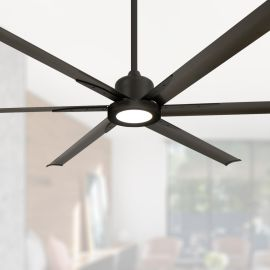
Perfect for whole-room airflow and permanent installation.
Smart Tower Fans

Slim, stylish, and ideal for apartments.
Smart Pedestal and Floor Fans
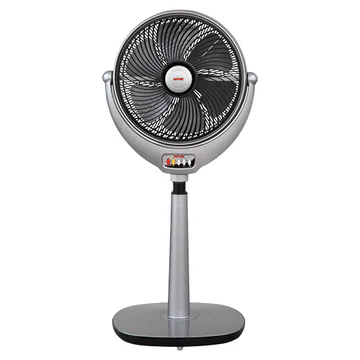
Portable powerhouses with smart brains.
Smart Window and Exhaust Fans
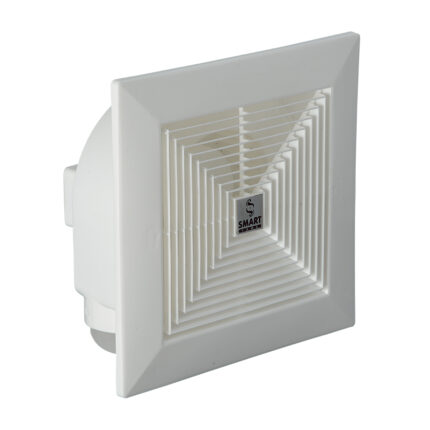
Great for ventilation and air circulation.
Key Features to Look for in the Best Smart Fans
Before buying, keep these essentials in mind.
App Control and Scheduling
Set routines like “turn off after midnight” or “increase speed at noon.”
Voice Assistant Compatibility
Alexa, Google Assistant, and sometimes Siri support.
Sensors and Automation
Temperature, motion, and humidity sensors add true intelligence.
Noise Levels and Sleep Modes
A good smart fan should hum, not roar.
Best Smart Ceiling Fans (Top Picks)
Premium Ceiling Best Smart Fans
High-end models from brands like Hunter and Haiku offer silent motors, premium materials, and advanced automation.
Mid-Range Ceiling Best Smart Fans
Balanced performance and price, ideal for most homes.
Budget-Friendly Smart Ceiling Fans
Affordable options now exist with surprisingly solid features.
Best Smart Tower and Pedestal Fans
Best Smart Tower Fans for Apartments
Dyson-style bladeless fans dominate here, offering safety and style.
Best Smart Pedestal Fans for Large Rooms
Lasko and Xiaomi lead with powerful airflow and smart controls.
Smart Fan Brands You Can Trust
Dyson
Premium pricing, premium performance.
Lasko
Reliable, affordable, and user-friendly.
Hunter
Legendary ceiling fan expertise meets smart tech.
Xiaomi and Other Emerging Brands
Budget-friendly innovation with impressive features.
Best Smart Fans and Smart Home Ecosystems
Alexa-Compatible Smart Fans
The widest compatibility and easiest setup.
Google Assistant and Apple HomeKit
Smooth integration for Android and Apple users.
Matter and Future Compatibility
Matter support means fewer headaches down the road.
Energy Efficiency and Environmental Impact
How Smart Fans Reduce Power Consumption
DC motors + automation = less wasted energy.
Smart Fans vs Air Conditioners
Fans don’t cool air-but they make you feel cooler, using a fraction of the power.
Installation and Setup Guide
DIY vs Professional Installation
Most tower and pedestal fans are plug-and-play. Ceiling fans may need expert help.
Common Setup Mistakes to Avoid
- Weak Wi-Fi signal
- Skipping firmware updates
Are Smart Fans Worth the Money?
Cost vs Long-Term Benefits
Higher upfront cost, lower electricity bills over time.
Who Should Buy a Smart Fan?
Anyone who values comfort, convenience, and efficiency.
Best Use Cases for Smart Fans
Bedrooms and Sleep Optimization
Silent modes and timers are game changers.
Offices and Workspaces
Stay cool without distractions.
Living Rooms and Open Spaces
Consistent airflow without manual adjustments.
Maintenance and Longevity Tips
Cleaning and Care
Dust-free blades mean better airflow.
Software Updates and App Support
Keep firmware updated for best performance.
Common Myths About Smart Fans
“Smart Fans Are Too Complicated”
If you can use a smartphone, you can use a smart fan.
“They Don’t Cool as Well as AC”
They’re not replacements-they’re smart companions.
Future of Smart Fan Technology
AI-Based Cooling
Fans that learn your habits.
Smart Climate Automation
Integrated cooling systems that think ahead
Buying Checklist Before You Decide
Room Size and Airflow
Match fan power to room size.
Budget and Ecosystem Compatibility
Choose what fits your smart home setup.
Conclusion
Smart fans are no longer a novelty-they’re a smart investment. Whether you want to save energy, sleep better, or enjoy hands-free comfort, the right smart fan can transform your living space. Think of it as upgrading from a flip phone to a smartphone. Once you make the switch, there’s no going back.
May you like it:Bear Mattress Discount Codes
Lenovo Legion Pro 5 Gen 10 Review
1. Can smart fans replace air conditioners?
No, but they significantly reduce AC usage and energy bills.
2. Do smart fans work without Wi-Fi?
Most do, but you’ll lose remote and voice features.
3. Are smart fans safe for children?
Yes, especially bladeless and enclosed designs.
4. How long do smart fans last?
With proper care, 8–12 years or more.
5. Are smart fans hard to install?
Tower and pedestal fans are easy; ceiling fans may need professional help.

One Comment on “The Best Smart Fans in 2026: Ultimate Guide to Cooling Your Home the Smart Way”