Introduction: Why Cassette to MP3 Converters Still Matter
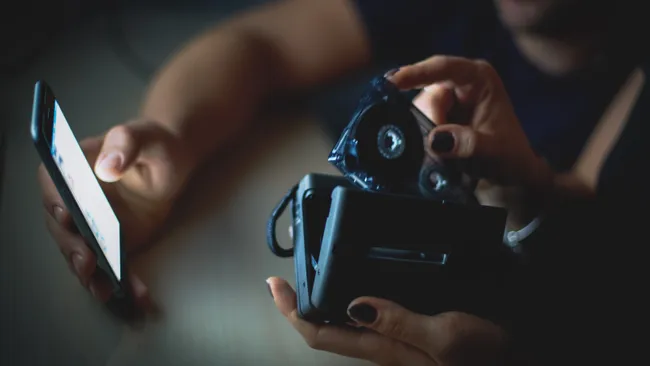
Think cassette tapes are dead? Not quite. Millions of people still have boxes of old mixtapes, voice recordings, lectures, and family memories sitting in drawers. The problem? Cassette players are disappearing fast, and tapes degrade over time. That’s where cassette to MP3 converters come in. These small but powerful devices let you turn your old analog tapes into clean, digital MP3 files you can store forever.
In this guide, we’ll break down the best cassette to MP3 converters, compare top models, explain every specification in simple words, and help you choose the right one without tech headaches.
What Is a Cassette to MP3 Converters?
How It Works
A cassette to MP3 converter is a portable cassette player with built-in digital conversion. You insert your tape, connect the device to a computer or USB drive, press play, and the audio is recorded as an MP3 file.
Cassette Player vs Converter
A normal cassette player only plays audio. A converter does two jobs at once: playback and digital recording. Think of it like a translator-it converts old-school analog sound into modern digital language.
Why Digitize Your Old Cassette Tapes
Preserve Memories
Cassette tapes wear out. MP3 files don’t. Digitizing protects irreplaceable recordings.
Save Space and Time
One USB stick can store hundreds of tapes. No more bulky boxes.
Easy Sharing and Backup
Upload MP3s to cloud storage, share with family, or play them on your phone anytime.
Key Features to Look for in a Cassette to MP3 Converters
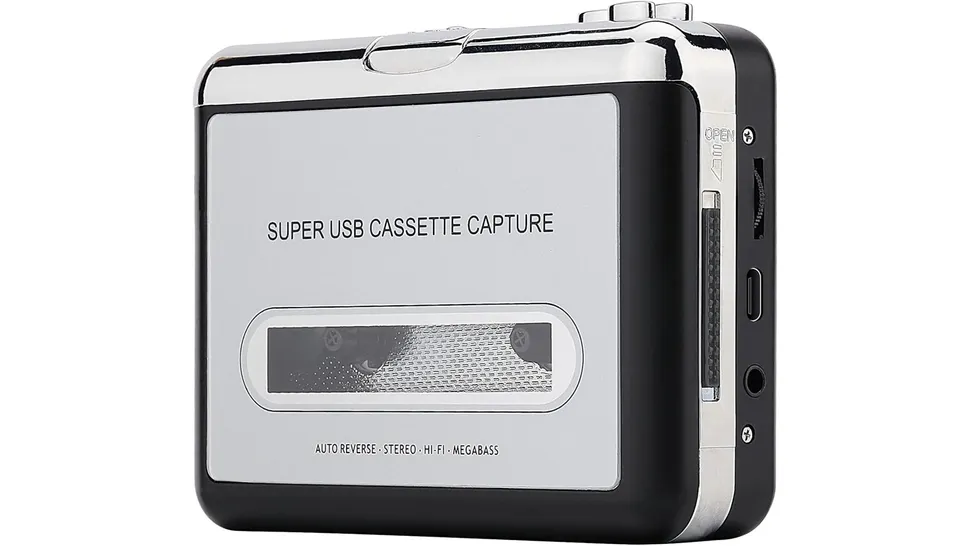
Audio Quality
Look for stable playback and clear conversion with minimal hiss.
USB Compatibility
Most converters use USB to save MP3 files directly to your computer or flash drive.
Software Support
Some devices include software like Audacity for editing and noise removal.
Portability
Lightweight, battery-powered models are ideal for travel and storage.
Ease of Use
One-touch recording is perfect for beginners.
Best Cassette to MP3 Converters – Comparison Table
| Model | Recording Method | Power Source | Software Included | Best For |
|---|---|---|---|---|
| Reshow Cassette Converter | USB to MP3 | Battery/USB | No | Beginners |
| ClearClick Cassette Player | Internal Recording | Rechargeable | No | Standalone use |
| Ion Audio Tape Express | USB to PC | USB | Yes | Editing control |
| Jensen Cassette Player | USB + Headphone | Battery | Limited | Budget users |
Top Cassette to MP3 Converters Reviewed
Reshow Cassette to MP3 Converter
Specifications
- USB 2.0 interface
- MP3/WAV output
- Battery or USB powered
- Plug-and-play
Pros and Cons
Pros: Simple setup, affordable, no software required
Cons: Basic audio quality, no internal storage
ClearClick Cassette Player
Specifications
- Built-in speaker
- Internal MP3 recording
- Rechargeable battery
- Standalone operation
Pros and Cons
Pros: No computer needed, excellent portability
Cons: Higher price point
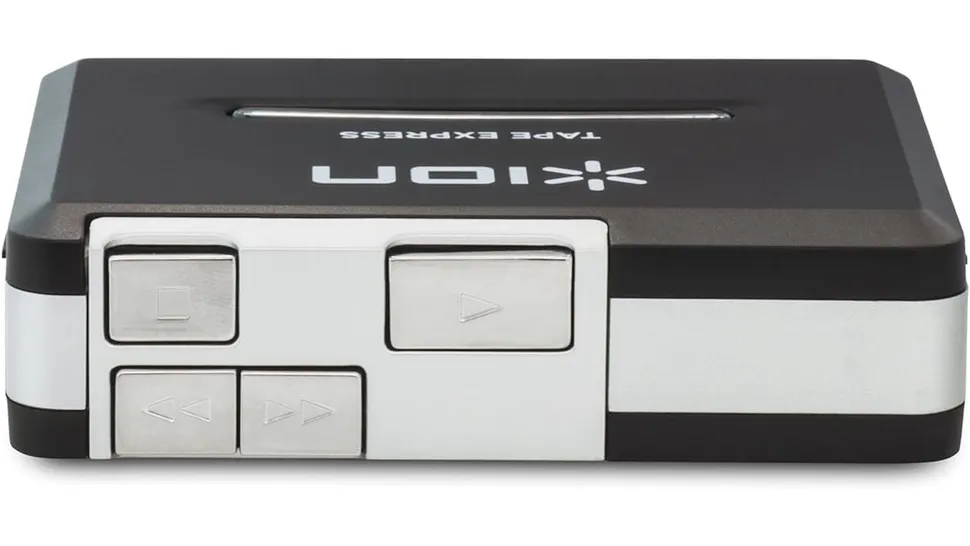
Ion Audio Tape Express
Specifications
- USB-powered
- Bundled conversion software
- Adjustable audio levels
Pros and Cons
Pros: Great sound control, ideal for archiving
Cons: Requires computer use
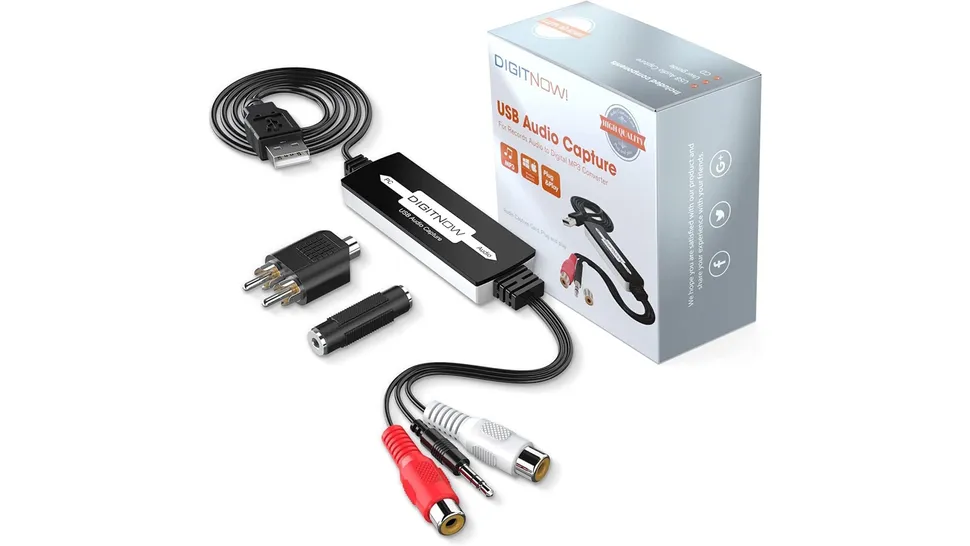
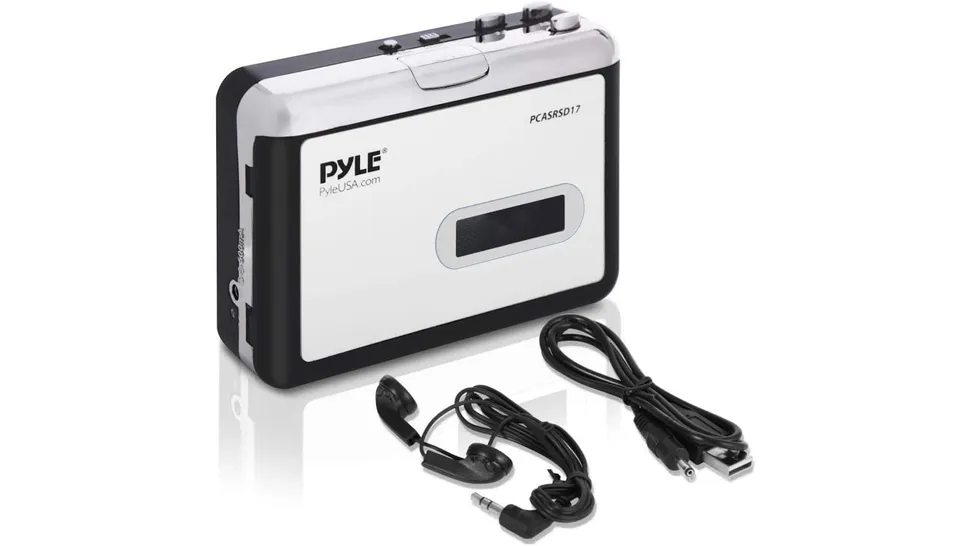
Jensen Portable Cassette Player
Specifications
- USB output
- Headphone jack
- Lightweight design
Pros and Cons
Pros: Budget-friendly, compact
Cons: Limited editing features
Detailed Specification Explanation (Beginner Friendly)
- USB Interface: Transfers audio to your computer
- MP3 Bitrate: Higher bitrate = better sound quality
- Power Options: Battery-powered models are more portable
- Playback Controls: Manual buttons help manage recording accuracy
Think of specifications like car features-you don’t need racing specs for city driving, just smooth and reliable performance.
Cassette to MP3 Converter vs Professional Audio Interface
If you’re archiving rare music professionally, an audio interface offers higher quality. But for most users, cassette converters are faster, cheaper, and easier. It’s the difference between using a DSLR and a smartphone—both take photos, but one is simpler.
How to Convert Cassette Tapes to MP3 – Step-by-Step
- Insert cassette
- Connect converter via USB
- Open recording software (if required)
- Press play on cassette
- Start recording
- Save MP3 file
Simple as making a voice note.
Common Mistakes to Avoid When Converting Cassettes
- Not cleaning tape heads
- Recording at low volume
- Skipping test recordings
- Ignoring noise reduction
Who Should Buy a Cassette to MP3 Converter?
- Music collectors
- Families preserving memories
- Teachers with recorded lectures
- Anyone with old cassette tapes
Price Range and Value for Money
Most converters range between $25 to $90. Budget models are fine for casual use, while premium ones suit serious archiving.
Best Software for Cassette to MP3 Conversion
- Audacity (Free, powerful)
- GarageBand (Mac users)
- Adobe Audition (Professional)
Understanding Analog vs Digital Audio (Why Conversion Matters)
Cassette tapes store sound in analog form, meaning audio is recorded as continuous magnetic signals. Over time, those signals fade, stretch, and distort. MP3 files, on the other hand, are digital. They’re made of data that doesn’t degrade when copied or stored.
Think of analog audio like handwriting on paper-it fades and smudges. Digital audio is like typing a document-you can copy it forever without losing quality.
By converting cassette tapes to MP3:
- You stop further quality loss
- You make endless backups
- You future-proof your recordings
Types of Cassette to MP3 Converters Explained
Not all converters work the same way. Understanding the types helps you buy smarter.
USB Cassette Converters
These connect directly to a computer via USB and record audio using software.
Best for: Users who want editing control and better sound cleanup.
Standalone Cassette Converters
These record directly to internal memory or a USB flash drive-no computer required.
Best for: Beginners and people who want simplicity.
Cassette Players with Line-Out Conversion
These require external audio interfaces or recorders.
Best for: Advanced users and archivists.
Audio Quality: What You Can (and Can’t) Expect
Let’s be honest—cassette tapes will never sound like studio-quality digital audio. But with the right converter, you can get clean, listenable, and well-balanced sound.
Factors That Affect Audio Quality
- Tape condition
- Cassette head cleanliness
- Playback speed accuracy
- Recording bitrate
Recommended MP3 Settings
- Bitrate: 192 kbps or higher
- Format: MP3 for general use, WAV for archiving
- Channels: Stereo (if original tape supports it)
Noise Reduction and Audio Cleanup Tips
Old tapes often have:
- Hissing
- Background hum
- Volume fluctuations
Good news: software can help.
Best Practices
- Clean cassette heads before recording
- Use Audacity’s Noise Reduction tool
- Normalize audio levels
- Avoid over-processing (less is more)
Noise reduction is like photo editing—remove blemishes, not the whole face.
Advanced Comparison Table: Features & Use Cases
| Feature | Budget Converters | Mid-Range Converters | Premium Converters |
|---|---|---|---|
| Audio Quality | Basic | Good | Very Good |
| Noise Control | Minimal | Moderate | Advanced |
| Software Support | Limited | Included | Professional |
| Ease of Use | High | Medium | Medium |
| Price Range | $25–$40 | $40–$70 | $70–$100 |
Real-World Use Cases (Who Uses These Devices?)
Families Preserving Memories
Old voice notes, wedding recordings, or grandparents’ messages-once digitized, they can be shared across generations.
Musicians and DJs
Rare demos, rehearsals, and live recordings often exist only on cassette.
Students and Researchers
Lectures, interviews, and field recordings from the 80s and 90s still hold value.
Collectors and Archivists
Limited-release tapes and spoken-word recordings need preservation.
Cassette Tape Preparation: A Step Most People Skip
Before converting, prepare your tapes.
Checklist
- Rewind and fast-forward once
- Inspect for mold or damage
- Clean cassette shell if dusty
- Store at room temperature before use
This small step can dramatically improve sound quality.
Storage and Backup After Conversion
Once converted, don’t stop there.
Recommended Storage Strategy
- Save files on your computer
- Backup to an external hard drive
- Upload to cloud storage (Google Drive, Dropbox)
Digital preservation only works if you have backups. One copy is none. Two copies are one.
Cassette to MP3 Converter Maintenance Tips
To keep your device working properly:
- Clean tape heads regularly
- Avoid cheap batteries
- Store in a dry place
- Don’t force damaged tapes
Treat your converter like a vintage camera-gentle care goes a long way.
Legal and Copyright Considerations
You can legally convert:
- Your personal recordings
- Music you own for personal use
Avoid distributing copyrighted material without permission. Digitization is preservation, not piracy.
Future-Proofing Your Digital Audio
MP3 is widely supported, but consider keeping a WAV master copy if storage allows. WAV files can always be converted later without quality loss.
Think of WAV as the original negative and MP3 as the final photo.
Expert Buying Advice (Quick Picks)
- Best Overall: ClearClick Cassette Player
- Best Budget: Reshow Cassette Converter
- Best for Editing: Ion Audio Tape Express
- Best Portable: Jensen Cassette Player
Choose based on how many tapes you have and how much control you want.
Final Verdict: Which Cassette to MP3 Converter Is Best?
For beginners, Reshow Cassette Converter is the easiest choice.
For standalone use, ClearClick shines.
For sound control, Ion Audio Tape Express wins.
Conclusion
Cassette tapes may belong to the past, but your memories don’t have to. A cassette to MP3 converter is an affordable, simple way to preserve your audio forever. Whether you’re saving family voices or rare music, the right converter makes the process smooth, fast, and stress-free.
You also like it: Best Electric Wall Double Ovens 2026
1. Can I convert damaged cassette tapes?
Lightly damaged tapes may still work, but severely damaged ones need professional repair.
2. Is USB conversion better than line-in recording?
USB conversion is simpler; line-in can offer better control but requires more equipment.
3. How many tapes can I convert in one day?
Since conversion is real-time, expect 6–8 tapes per day comfortably.
4. Do converters work on Windows and Mac?
Yes, most are plug-and-play on both systems.
5. Is it worth buying a premium converter?
If you’re converting rare or important recordings, yes—it’s worth the investment.