Micro RGB TVs Are Finally Here – But Can They Really Beat OLED?
Introduction to the New TV Display Revolution
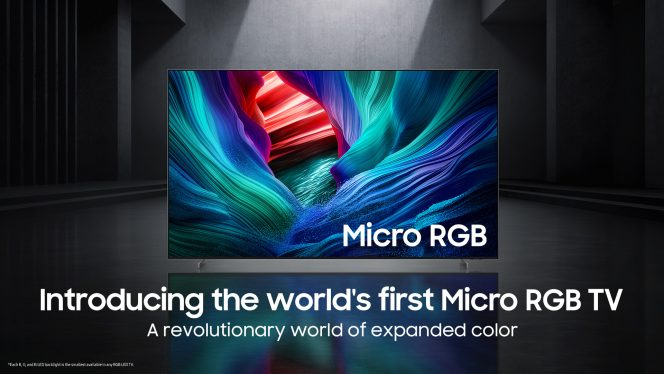
If you thought OLED was the final boss of TV technology, think again. Micro RGB TVs have entered the arena, and they’re making a lot of noise. Tech enthusiasts are buzzing, manufacturers are experimenting, and consumers are left wondering: Is this the next big thing, or just another flashy promise?
Let’s break it all down in plain English, without the marketing fluff.
Why Display Technology Matters More Than Ever
Your TV isn’t just a screen anymore. It’s your cinema, gaming monitor, sports arena, and sometimes even your work display. Better display tech means deeper blacks, brighter highlights, and colors that actually feel alive. That’s why every new display innovation grabs attention—and Micro RGB TVs is no exception.
The Rise of Micro RGB TVs
Micro RGB TVs promise pixel-level RGB control without relying on color filters. Sounds revolutionary, right? In theory, this could mean better brightness, longer lifespan, and insane color accuracy. But theory and reality don’t always shake hands.
Understanding Micro RGB TV Technology
What Does “Micro RGB” Actually Mean?
Micro RGB TVs use microscopic red, green, and blue subpixels that emit light directly. Unlike traditional LCDs that rely on backlights or filters, Micro RGB panels aim for pure color emission at the pixel level.
Think of it like cooking with fresh ingredients instead of pre-packaged seasoning—you get more control, but it’s harder to pull off.
How Micro RGB TVs Differs from MicroLED
Here’s where confusion kicks in. Micro RGB and MicroLED sound similar, but they’re not twins.
- MicroLED uses self-emissive LEDs for each pixel
- Micro RGB focuses on RGB subpixels with extreme precision
Micro RGB is more experimental and currently less refined than MicroLED, which itself is still rare and expensive.
Pixel-Level Color Control Explained
Each pixel controlling its own RGB output means potentially perfect color reproduction. No light bleeding. No washed-out tones. On paper, it’s a dream setup.
A Quick Refresher on OLED Technology
Why OLED Became the Gold Standard
OLED changed everything. Self-emissive pixels, perfect blacks, infinite contrast-OLED made LCDs look like relics overnight.
Strengths That Keep OLED on Top
- Perfect black levels
- Excellent viewing angles
- Fast response times
- Thin, flexible panels
OLED didn’t just improve TV quality; it redefined it.
OLED’s Known Weaknesses
Of course, no tech is flawless. Burn-in risk, limited peak brightness compared to some LEDs, and long-term degradation still haunt OLED discussions.
Micro RGB TVs vs OLED – Core Technology Comparison
Color Accuracy and Brightness
Micro RGB has the potential to surpass OLED in brightness without sacrificing color accuracy. OLED colors are rich, but Micro RGB aims to be both brighter and purer.
That said, current Micro RGB TVs haven’t fully delivered on this promise yet.
Contrast Ratio and Black Levels
OLED still wears the crown here. Absolute blacks are OLED’s signature move. Micro RGB is close, but “close” doesn’t dethrone a king.
Viewing Angles and Uniformity
OLED remains superior for consistent image quality from any angle. Micro RGB TVs panels can suffer from uniformity issues, especially in early models.
Picture Quality Face-Off
HDR Performance Compared
HDR is where Micro RGB could shine in the future. Higher brightness means more impactful highlights. However, current implementations lag behind OLED’s polished HDR performance.
Gaming Performance and Refresh Rates
Gamers love OLED for its low input lag and instant response times. Micro RGB shows promise but isn’t yet a clear winner.
Response Time and Motion Handling
OLED still dominates fast-motion clarity. Micro RGB TVs needs more refinement to catch up.
Design, Build, and Panel Longevity
Thickness and Aesthetics
OLED TVs are razor-thin and sleek. Micro RGB panels are currently thicker due to complex manufacturing layers.
Burn-in Risks and Lifespan
Micro RGB could theoretically avoid burn-in issues, giving it a long-term advantage. OLED has improved significantly, but the concern hasn’t vanished completely.
Heat Management Challenges
Micro RGB panels generate heat differently, and managing that heat efficiently remains a technical hurdle.
Power Consumption and Efficiency
Energy Use in Micro RGB TVs Panels
Higher brightness often means higher power usage. Micro RGB TVs currently consume more energy than OLEDs in real-world scenarios.
OLED Power Efficiency in Real Life
OLED only lights the pixels it needs. That efficiency still gives it an edge.
Environmental Impact
OLED production is more mature and optimized. Micro RGB manufacturing still has a larger environmental footprint.
Manufacturing Challenges of Micro RGB TVs
Why They Are So Hard to Produce
Precision is everything. One faulty subpixel can ruin an entire panel. That’s a nightmare for mass production.
Yield Rates and Defect Issues
Low yield rates mean higher costs. This is the biggest reason Micro RGB TVs aren’t mainstream yet.
Scalability Problems
Scaling Micro RGB to large TV sizes without defects is still an unsolved puzzle.
Pricing Reality – Why Micro RGB TVs Are Expensive
Current Market Prices
Micro RGB TVs are priced for laboratories and luxury showrooms, not living rooms.
Cost Comparison with OLED TVs
OLED prices have dropped dramatically over the years. Micro RGB is still at step one of that journey.
When Prices Might Drop
Expect meaningful price drops only after several years of manufacturing improvements.
Availability and Brand Adoption
Which Brands Are Leading Micro RGB?
A handful of major manufacturers are experimenting, but none have fully committed.
Limited Consumer Access
Most consumers can’t even buy a Micro RGB TV yet.
Regional Availability Issues
Availability is extremely limited and often restricted to tech demos or select markets.
Who Should Consider Micro RGB TVs Right Now
Early Adopters and Tech Enthusiasts
If you love bleeding-edge tech and don’t mind paying a premium, Micro RGB is intriguing.
Professional Use Cases
Studios and research labs may benefit from Micro RGB’s color precision.
Who Should Stick with OLED
Everyone else. OLED remains the smarter, safer choice today.
Future of Micro RGB Technology
Expected Improvements in the Next 5 Years
Better yields, thinner panels, lower costs—if manufacturers stay committed.
Can Micro RGB Truly Replace OLED?
Eventually? Maybe. Soon? Unlikely.
Market Predictions
OLED will dominate the premium TV market for years to come.
Expert Opinions and Industry Buzz
What Display Experts Are Saying
Experts agree: Micro RGB is promising but immature.
Consumer Expectations vs Reality
The hype is ahead of the hardware.
Lessons from Past Display Wars
Remember 3D TVs? Innovation alone doesn’t guarantee success.
Final Verdict – Is OLED Still the King?
Short-Term vs Long-Term Outlook
Short term: OLED wins.
Long term: Micro RGB might challenge-if it survives.
Choosing the Right TV for Your Needs
If you want the best picture today, OLED is unbeatable. Micro RGB is one to watch, not one to buy.
Conclusion
Micro RGB TVs are exciting, ambitious, and undeniably futuristic. But right now, they’re more of a promise than a revolution. OLED, with its refined performance, affordability, and availability, remains the undisputed champion. Micro RGB isn’t ready to dethrone OLED yet-but the battle has officially begun.
This is also good for you:Best Toasters 2026
Nobel LED 32 ME7 Android 32 Inch
Are Micro RGB TVs better than OLED?
Not yet. OLED still offers better overall performance for consumers.
2. Will Micro RGB TVs replace OLED in the future?
Possibly, but only after major manufacturing improvements.
3. Are Micro RGB TVs available to buy?
Very limited availability, mostly experimental models.
4. Do Micro RGB TVs suffer from burn-in?
They are expected to be more resistant than OLED.
5. Should I wait for Micro RGB or buy OLED now?
Buy OLED now unless you enjoy waiting years for new tech to mature.